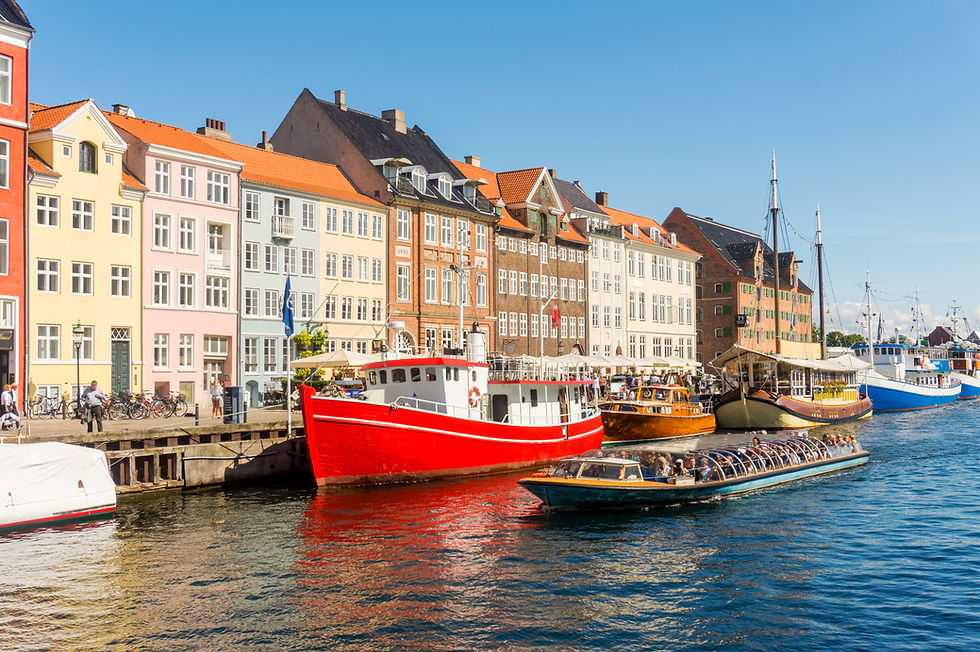
15 Things to Know Before Moving to Denmark From the UK

Moving to Denmark from the UK is no longer just about shipping your belongings overseas and settling into a new apartment. Since Brexit, relocating to Denmark has become a far more structured process involving customs regulations, residency paperwork, housing competition, high living costs, and major lifestyle adjustments that many people underestimate before they arrive.
At the same time, Denmark continues to attract British expats looking for something very different from life in the UK, cleaner cities, stronger work-life balance, safer environments, efficient public systems, cycling-focused infrastructure, and a slower, more organised pace of daily life. Cities like Copenhagen and Aarhus regularly rank among the best places to live in Europe, particularly for families and professionals.
However, despite Denmark’s reputation for quality of life, many UK movers are surprised by how challenging certain parts of the relocation process can become. From strict customs rules and expensive housing deposits to dark Scandinavian winters and vehicle registration taxes, there are practical realities that can quickly catch people off guard if they are not properly prepared.
Whether you are relocating for work, family, study, retirement, or simply a lifestyle change, understanding these details before your move can help you avoid delays, unexpected costs, and unnecessary stress.
Here are 15 important things to know before moving to Denmark from the UK.

1. Denmark Is One of the Most Expensive Countries in Europe
The first major adjustment for many British expats is the overall cost of living. Denmark offers excellent infrastructure and public services, but that quality comes at a price.
People relocating from the UK are often surprised by:
supermarket prices
restaurant costs
alcohol taxes
fuel prices
parking fees
utility bills
rental deposits
Although average salaries in Denmark are generally higher than many parts of the UK, daily expenses can still feel significantly more expensive during the first few months after relocating.
UK vs Denmark Cost Comparison:
Expense | UK Average | Denmark Average |
Coffee | £3.20 | £4.50 |
One-bedroom city apartment | £1,200 | £1,800+ |
Monthly transport pass | £80 | £95–£120 |
Restaurant meal | £18 | £28–£40 |
Petrol/Fuel | High | Very High |
Vehicle ownership | Moderate | Expensive |
Many people moving to Denmark underestimate the initial relocation budget required for:
apartment deposits
temporary accommodation
furniture purchases
utility setup
transport costs
customs-related expenses
2. Brexit Changed International Moving to Denmark
Before Brexit, moving household goods between the UK and Denmark was relatively straightforward. Today, customs clearance is a major part of the relocation process.
Denmark Import Customs Guide:
household goods should normally have been owned and used for at least 6 months
shipments are generally expected within 12 months of relocation
the owner normally needs Danish residency before customs clearance can be completed
This is one of the biggest surprises for UK movers who still assume Europe works exactly as it did before Brexit.
Professional export packing, accurate inventories, customs paperwork, and transport planning are now far more important than many people realise.
3. Work-Life Balance Really Is Better
Denmark’s reputation for work-life balance is not exaggerated.
Compared with many parts of the UK:
working hours are often shorter
overtime culture is less aggressive
family time is prioritised
flexible working is common
cycling and outdoor living are integrated into daily routines
Many expats moving from London or other large UK cities describe Danish life as:
calmer
more structured
less stressful
more family-oriented
The Danish concept of balance often becomes one of the biggest long-term benefits for British expats.

4. Copenhagen Is Not the Only Good City for Expats
Most people immediately think of Copenhagen when considering Denmark, but several Danish cities are extremely attractive for UK expats depending on lifestyle and budget.
Best Danish Cities for UK Expats:
City | Best For | Key Benefits |
Copenhagen | Professionals & families | International jobs, transport, culture |
Aarhus | Students & young professionals | Modern city, universities, lower costs |
Odense | Families | Safer suburbs, lower housing costs |
Aalborg | Affordable living | Growing economy, relaxed lifestyle |
Esbjerg | Energy sector workers | Coastal living, offshore industry |
Roskilde | Commuters | Easier access to Copenhagen |
Vejle | Families | Scenic areas, quieter pace |
Helsingør | Coastal lifestyle | Ferry access to Sweden |
Many UK families eventually choose cities outside Copenhagen due to lower housing costs and less competition.
5. Housing Competition Can Be Intense
Finding long-term accommodation in Denmark can take far longer than many expats expect.
Rental properties often require:
several months deposit
advance rent payments
employment proof
fast decision-making
This is especially true in Copenhagen where rental demand remains extremely high.
Temporary accommodation is common during the first months after moving.
6. Cycling Is Part of Daily Life
Cycling in Denmark is not simply a hobby. It is a major transport system.
Many British expats are surprised by:
dedicated cycling highways
bicycle traffic lights
cycling commuters in business clothes
cargo bikes for families
all-weather cycling culture
In cities like Copenhagen, cycling is often faster than driving.
Owning a vehicle in Denmark can become expensive because of:
fuel costs
parking restrictions
registration taxes
congestion
Many newcomers quickly transition to bicycles and public transport.
7. Denmark Has Strict Customs Rules
Customs regulations are far stricter than many people expect.
According to the Denmark customs guide:
vague inventory descriptions such as “miscellaneous” should not be used
alcohol, tobacco, tea, and coffee may attract duties and taxes
food products can delay customs clearance
Professional packing and detailed inventories significantly reduce the risk of customs delays.
Many professional international movers recommend avoiding:
food shipments
opened alcohol
restricted items
unnecessary prohibited goods

8. Scandinavian Winters Can Feel Difficult Initially
One of the biggest lifestyle adjustments for British expats is winter darkness.
During winter months:
daylight hours become very short
temperatures feel colder because of wind
outdoor social activity reduces
This can affect:
mood
energy levels
sleep patterns
Many expats adapt by embracing Danish winter culture, including:
indoor social gatherings
candles and “hygge”
winter cycling
outdoor activities despite the weather
9. Danish Culture Is More Reserved Than British Culture
Danes are usually polite and respectful, but social culture can initially feel more reserved than the UK.
British expats often notice:
less small talk
quieter public spaces
stronger privacy culture
more structured social boundaries
However, once friendships develop, many expats describe Danish people as loyal, honest, and dependable.
10. Importing Cars Can Become Very Expensive
Many UK movers initially plan to bring their car to Denmark before discovering how expensive Danish vehicle taxation can become.
According to the customs guide:
imported vehicles may be subject to extremely high registration taxes
owners generally must register vehicles shortly after arrival
Because of this, many expats:
sell their UK vehicle before moving
lease locally later
avoid owning a car entirely
especially in larger cities.
11. Denmark Is Extremely Family Friendly
Families moving from the UK are often impressed by:
safe neighbourhoods
cycling infrastructure
public parks
childcare systems
school quality
family-focused culture
Children are encouraged to become independent at an early age, and outdoor activity remains normal even during colder months.
For many families, Denmark feels significantly safer and calmer than larger UK urban areas.

12. Learning Danish Helps More Than You Think
Many newcomers assume English will be enough long term because most Danes speak excellent English.
While daily survival is absolutely possible in English, learning Danish helps enormously with:
integration
healthcare
administration
friendships
schools
long-term employment
Even basic Danish effort is generally appreciated.
13. Pet Relocation Requires Planning
Pet relocation to Denmark is generally manageable, but preparation is extremely important.
According to the customs guide, pets normally require:
health certificates
rabies vaccinations
microchip identification verification
Important Pet Relocation Considerations
vaccination timing rules
airline crate requirements
transport route planning
DEFRA compliance
Many pet owners underestimate how early the planning process should begin.
Professional relocation support can help simplify:
paperwork
airline requirements
veterinary scheduling
transport coordination
14. Storage Is Often Needed During Relocation
Many people moving internationally do not move directly into permanent accommodation.
Storage becomes useful when:
rental contracts are delayed
properties are unavailable
renovation work is ongoing
arrival schedules change
customs clearance takes longer than expected
Storage in transit can help make international moves far less stressful during uncertain relocation periods.
15. Denmark Is Extremely Organised
One of the biggest long-term positives for British expats is the overall organisation of Danish society.
People often notice:
cleaner streets
punctual transport
efficient administration
advanced digital systems
structured infrastructure
environmental awareness
Although some newcomers initially find the rules strict, many later appreciate how efficiently systems operate compared with other countries.
What Reloux® Can Do to Make Relocating to Denmark Easier
International relocation involves far more than transport alone. One of the biggest
challenges for UK movers is coordinating:
customs paperwork
inventories
delivery access
transport scheduling
temporary storage
final delivery logistics
Reloux® helps simplify international removals to Denmark through fully managed door-to-door relocation services.
Reloux® Denmark Moving Services Include:
professional export packing
UK collection services
dedicated vehicle transport
customs support guidance
detailed inventory preparation
delivery inside the property
optional unpacking services
storage in transit solutions
pet relocation guidance
apartment access planning
For Denmark specifically, access planning is extremely important in cities like
Copenhagen where:
parking restrictions
narrow streets
apartment staircases
lift limitations
can complicate final delivery.
Shared Load vs Dedicated Vehicle Removals to Denmark:
Feature | Shared Load | Dedicated Vehicle |
Best For | Smaller moves | Full house moves |
Cost | Lower | Higher |
Transit Speed | Flexible | Faster |
Delivery Schedule | Shared route | Direct route |
Vehicle Usage | Shared truck space | Entire vehicle |
Ideal Volume | 5–20 CBM | 20–60+ CBM |
Shared-load services are especially popular for:
partial household moves
student relocations
smaller family moves
Dedicated vehicles are often better for:
urgent relocations
larger homes
flexible delivery dates
premium service requirements
Common Mistakes People Make When Moving to Denmark
Underestimating Costs
Many people only budget for transport without considering:
deposits
temporary accommodation
setup expenses
customs-related delays
Bringing Restricted Goods:
Food, alcohol, plants, and prohibited goods often create unnecessary customs complications.
Assuming Housing Is Easy:
Rental competition in major Danish cities is extremely high.
Leaving Paperwork Too Late:
Residency registration, customs documentation, and inventories require proper preparation.
Not Planning Winter Properly:
Dark winters can be a bigger adjustment than expected.

FAQ – Moving to Denmark From the UK
How much does it cost to move to Denmark from the UK?
The cost depends on shipment volume, transport method, property access, packing requirements, and final destination city. Smaller shared-load moves may start from around £1,200–£2,500, while larger dedicated vehicle removals can exceed £7,000–£12,000 for full household relocations.
How long do removals to Denmark take?
Dedicated vehicle removals from the UK to Denmark often take approximately 4–7 days, while shared-load European services can take around 7–14 days depending on route planning and customs clearance timing.
Is Denmark expensive to live in?
Yes. Denmark is considered one of Europe’s more expensive countries, particularly for housing, restaurants, fuel, and vehicle ownership. However, salaries and public services are generally stronger than many other European countries.
Can UK citizens still move to Denmark after Brexit?
Yes, but Brexit introduced additional immigration and customs requirements. Residency rules, employment conditions, and customs procedures should all be reviewed carefully before relocating.
Can I take my furniture to Denmark?
Yes. Used household goods can usually be imported as part of a genuine relocation, subject to customs regulations and documentation requirements.
Is pet relocation to Denmark difficult?
Pet relocation is generally manageable with proper preparation. Vaccination schedules, microchip identification, and health documentation must all comply with EU import requirements.
What is the best city in Denmark for UK expats?
Copenhagen remains the most popular choice for international professionals, while cities like Aarhus, Odense, and Aalborg are often preferred for lower living costs and family-friendly lifestyles.
Is it worth moving to Denmark from the UK?
For many expats, Denmark offers:
excellent work-life balance
safer cities
family-friendly living
strong infrastructure
efficient public systems
high overall quality of life
although the higher cost of living can require adjustment.
Planning a Move to Denmark?
Whether you are relocating to Copenhagen, Aarhus, Odense, or elsewhere in Denmark, careful planning can make a major difference to the success of your relocation.
Reloux® provides fully managed international removals from the UK to Denmark, including:
export packing
road freight transport
customs guidance
storage solutions
apartment access planning
door-to-door delivery
for both small and large household moves.
If you are planning a relocation to Denmark and want clearer guidance on costs, timelines, transport options, or customs preparation, obtaining a professional pre-move survey can help you understand the full process before committing to your move.