
Moving to Italy from the UK: Your Step-by-Step Moving Checklist

Moving to Italy from the UK starts long before the removal van arrives. Alongside choosing your new home, you need to organise your documents, decide what to take, prepare for customs clearance and coordinate delivery around the date your property will be ready.
Whether you are heading to an apartment in Milan, a family home near Rome or a property in the Italian countryside, a clear plan helps you make decisions in the right order. It also makes it easier to compare removal quotations and spot costs that might otherwise appear late in the process.
This step-by-step checklist covers the practical side of moving your household to Italy, from the first planning conversations to unpacking at your new address.

Who is this blog for?
This blog is for anyone planning to move their home and belongings from the UK to Italy and wanting a clear order of tasks, a realistic budget and fewer last-minute surprises.
It is particularly useful for:
Families relocating to Italy: coordinating school arrangements, family travel and delivery of everyday essentials.
Couples and individuals moving for work: fitting collection and delivery around a job start date and access to accommodation.
People planning retirement in Italy: deciding what to bring and organising healthcare, documents and a manageable moving schedule.
Italian citizens returning from the UK: preparing a household shipment and asking the customs agent which evidence applies to their circumstances.
People moving goods out of UK storage: arranging access, checking the inventory and planning onward transport.
Buyers renovating an Italian property: deciding whether to store belongings until the home is ready.
Second-home owners: planning furniture delivery while making their actual residence situation clear to the customs agent.
You can use the checklist whether you are sending a few furniture items or the contents of a whole home. The immigration overview mainly concerns British citizens making a new move; nationality, family circumstances and existing residence rights can change the process.
Moving to Italy: the essential checklist
Start by confirming your right to live in Italy, then organise your accommodation, shipment inventory, removal service and customs documents. Before collection, agree packing, protection cover and access arrangements. Keep essential belongings with you and complete the relevant registrations after arrival.
Use this suggested timeline as a planning framework. Visa applications, property transactions and specialist preparations may need longer.
When to plan | Main tasks | What you should have ready |
Three to six months before | Check your residence route; research accommodation, schools and healthcare; review work and finances | A realistic relocation plan and document list |
Eight to twelve weeks before | Decide what to move; arrange surveys; compare removal quotations | A shipment inventory and preferred service |
Four to eight weeks before | Book removals; submit paperwork for review; arrange packing and any storage | Written service details and document feedback |
Two to four weeks before | Confirm delivery access; review protection cover; flag specialist items | Access information and agreed packing requirements |
Final week | Separate travel essentials; finish household administration; reconfirm collection | A collection-ready home and personal travel bag |
On arrival and delivery | Complete time-sensitive registrations; receive and check your goods | An organised start in your new home |

Step 1: Confirm your right to live in Italy
For British citizens, permission to visit Italy is different from permission to settle there. Check the visa or residence route that fits your plans before committing to relocation dates. Routes can include work, study, family and living without working; different rules can apply to EU citizens and people with protected pre-Brexit residence rights.
Reference point 1 — visas and residency: Use the UK government’s Living in Italy guidance to check the applicable residence route and arrival formalities. Its driving section also covers vehicles and licence exchange.
Prepare a personal document folder containing passports, relevant civil certificates, accommodation evidence and the documents requested for your application. Ask whether translations or legalisation are needed before paying for them.
If you intend to work remotely, explain that arrangement when checking your immigration route. Include your employer or business adviser in the planning process.
Checklist action: Establish which permissions you need, who handles each application and which dates affect your move.
Step 2: Confirm your accommodation and delivery access
An Italian postcode tells your mover where you are going, but it does not explain how to get your furniture through the front door.
Before accepting a delivery plan, provide the full address and photographs or a short video showing the approach road, parking area, entrance, stairs and lift. Measure any tight doorways and turns that could affect larger pieces.
Ask the property owner or building manager about vehicle restrictions, delivery hours, lift reservations and any permissions needed. Where local restricted-traffic zones apply, establish the arrangements before the vehicle travels.
Confirm:
The floor number and whether a suitable lift is available.
How close a removal vehicle can park to the entrance.
Any gates, height restrictions or narrow approach roads.
Whether a smaller shuttle vehicle or external furniture lift may be needed.
Who will organise building access and permissions.
When you will have the keys and the property will be ready.
How can delivery access change the moving plan?
Delivery situation | Information to provide | Possible arrangements | Budget question |
House with nearby parking | Driveway size, gate width and parking photographs | Direct unloading if the vehicle can access safely | Is the quoted vehicle suitable? |
Apartment with a lift | Lift dimensions, capacity and booking rules | Lift use for suitable items; stairs for others | Are the agreed floor and access included? |
Upper-floor home with narrow stairs | Stair turns, door measurements and furniture dimensions | Dismantling, extra labour or specialist lifting if feasible | Is additional labour or equipment needed? |
Restricted city-centre street | Local entry rules, permitted times and unloading location | An authorised delivery slot or smaller vehicle where required | Who arranges permissions and pays the charges? |
Rural property with a narrow approach | Road width, turning space and approach video | Shuttle transfer if the main vehicle cannot reach the home | Are shuttle and extra handling included? |
Checklist action: Have your mover assess access before finalising the quotation. Arrange an alternative if your key handover is delayed.
Step 3: Decide what to take, sell, donate or store
Your shipment volume influences the transport space, packing materials and labour required. Decluttering before a survey gives you a more useful quotation than removing large items after the booking is made.
Work through every room, including the loft, garage, shed and any separate storage unit. Compare the usefulness and condition of each item with the space available in your Italian home.
For bulky furniture, measure both the item and its intended room. Check whether it dismantles and whether the assembled piece can pass through the delivery entrance. For appliances, confirm compatibility and installation requirements with a suitable local installer.
Create four lists: move, sell, donate and store. Photograph valuable or delicate items and flag anything that needs special handling.
Should you move your furniture, replace it or store it?
Compare the full cost of each option, including packing, delivery and assembly. The following table is a decision guide, rather than a recommendation to replace items solely because they are inexpensive.
Option | When it may make sense | Costs to compare | Check before deciding |
Move existing furniture | It is useful, in good condition and fits the new home | Packing, transport, cover and any special handling | Doorways, stairs, room dimensions and dismantling |
Sell or donate and replace | The item is unsuitable for the new layout or costly to transport relative to its usefulness | Replacement price, local delivery and assembly, less any sale proceeds | Availability and the time you may be without it |
Store temporarily | You need to decide later or the property is unfinished | Storage, handling, cover and eventual delivery | Minimum period, access and release notice |
Move selected pieces | You want to retain meaningful or high-quality items while reducing volume | A quotation for the revised inventory plus replacement essentials | Whether reducing volume changes the quoted charge |
Checklist action: Finalise your moving list before the survey and tell your mover about later additions.

Step 4: Arrange a survey and compare the service details
A video or in-person survey helps a removal company assess volume, access, packing and specialist handling. Show everything you intend to send, including items kept at a second address.
Ask for a written quotation that identifies the agreed shipment volume and explains how changes will be charged. Compare quotations using the same inventory, destination and service requirements.
Quotation item | What to check | Why it matters |
Shipment volume | The cubic metres or cubic feet allowed | Extra items may change the price |
Packing | Furniture wrapping, cartons and fragile-item packing | Packing services can differ substantially |
Collection | Number of addresses, floors and access assumptions | Additional collections or difficult access affect labour |
Customs support | Which declarations and agent services are included | Clearance work and government charges are different costs |
Delivery | Room placement, stairs, shuttle and parking arrangements | The final approach can require extra services |
Assembly and unpacking | The exact items and tasks covered | These services should be agreed explicitly |
Storage | Weekly charges, handling, redelivery and notice | The weekly rate may be only part of the cost |
Protection cover | Premium, excess, exclusions and valuation requirements | Cover should match the shipment and packing arrangements |
Taxes and extras | VAT treatment and any excluded charges | You need the total payable for the stated scope |
Checklist action: Ask for unclear inclusions or exclusions to be explained in writing before booking.
Step 5: Choose your UK-to-Italy removal service
The right transport arrangement depends on how much you are sending, your budget and how flexible you can be about delivery.
Service | How it works | Who it may suit | What to clarify |
Shared-load or groupage road service | Your belongings travel with other customers’ shipments | Smaller moves and flexible schedules | Collection, consolidation and delivery windows |
Dedicated vehicle | A vehicle is allocated to your shipment | Larger moves or greater scheduling control | Vehicle size, route and agreed dates |
Removals with storage | Goods are held before onward delivery | Gaps between homes or an unfinished property | Storage location, handling and release arrangements |
Shared transport can spread transport costs between customers. A dedicated vehicle may give greater control over scheduling, although customs, access and operational constraints still apply.
For every option, distinguish the collection date, departure date, estimated transit time and delivery window. A transit estimate is only useful when you know when the clock starts.
Checklist action: Agree the service around the date you can receive your belongings, and keep travel essentials separate for the whole delivery window.
Step 6: Prepare your customs paperwork before dispatch
Ask your mover or appointed customs agent for the document requirements that apply to your shipment. Have them review your circumstances before the goods leave, especially if you are transferring your main home, returning to Italy, furnishing a second home or sending recently purchased items.
Prepare to provide the documents requested for your case, which may include:
Passport or identity-document copies.
Evidence of your previous UK address and your Italian accommodation.
Residence-related documentation and an Italian tax code, where requested.
A detailed packing inventory.
Signed declarations or authority for the customs representative.
Purchase or ownership evidence for particular items.
Ask the agent to confirm whether you qualify for any applicable import relief, the evidence and deadlines involved, and the charges that would apply if relief is unavailable. Avoid budgeting on an assumption that all personal belongings will be admitted free of tax.
Use clear inventory descriptions, such as “used kitchen crockery” or “bedroom clothing”. Tell the agent about new goods and unusual items before packing them.
Checklist action: Obtain confirmation that the paperwork is ready for the planned shipment. Document review does not guarantee that customs will release goods without further questions or inspection.
Step 7: Plan a complete relocation budget
Your removals quotation is one part of the overall budget. Set aside money for accommodation overlap, travel, local setup and any services your shipment needs outside the standard scope.
Allow for packing, specialist crates, protection cover, storage, handling, access equipment and any applicable customs charges. Keep a separate allowance for translations, appointments and professional advice where needed.
For example, a shared-load service may fit your transport budget well, but its benefit could be reduced if you need an extended furnished rental while awaiting delivery. Compare the total cost of each workable plan.
There is no reliable single price for moving a “two-bedroom home” to Italy: two homes of that size may contain very different volumes. A survey-based quote with the exact destination and access details is a stronger budgeting tool.
Checklist action: Record each cost as confirmed, estimated or still to be quoted, and include a contingency for changes.
Step 8: Confirm packing and protection cover
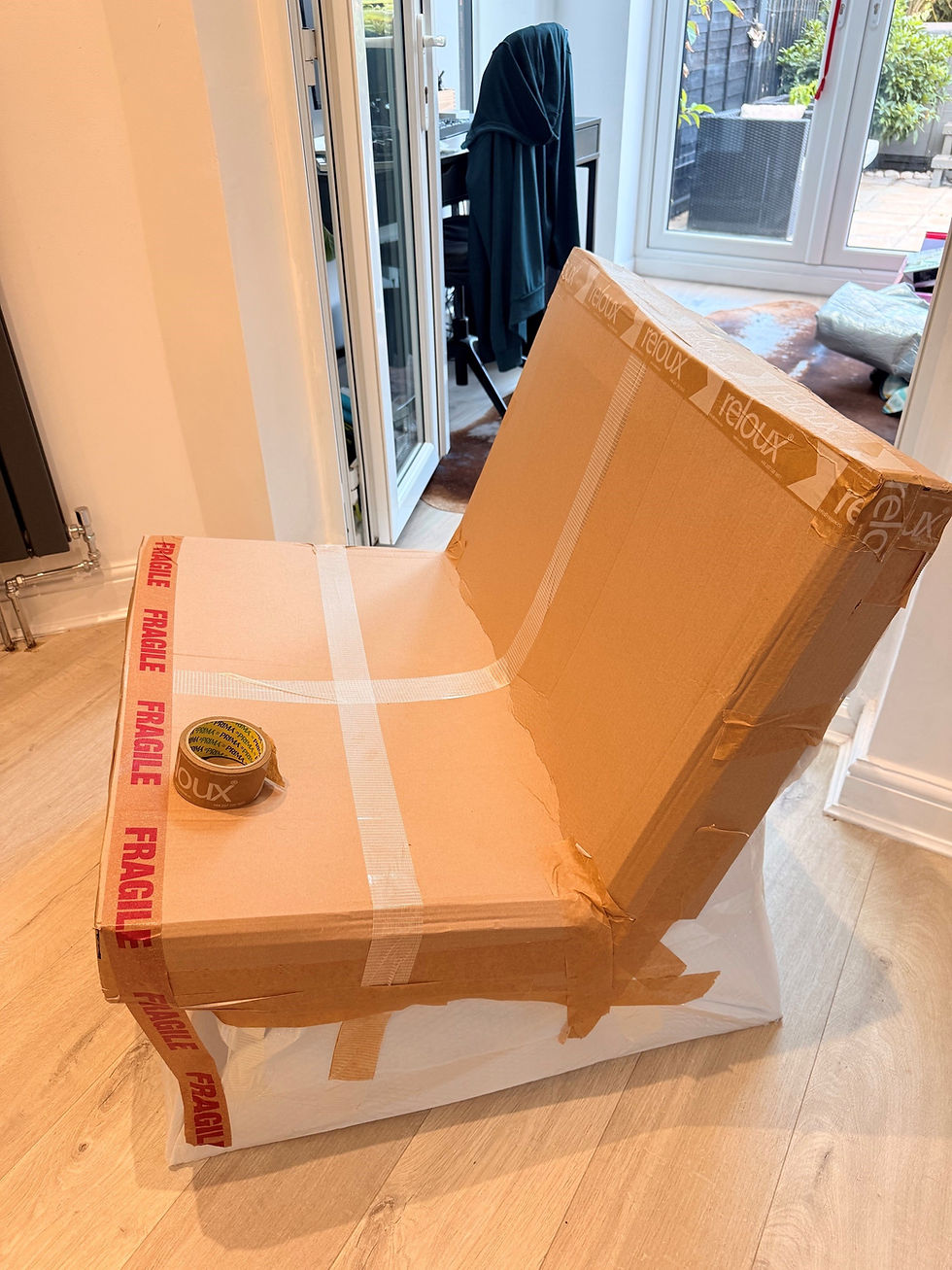
Discuss mirrors, artwork, glass, stone furniture, televisions and other fragile pieces during the survey. Specialist packaging may need to be made in advance.
If you plan to pack cartons yourself, first ask whether this is accepted and how it affects inspection, inventory preparation and cover. Follow the mover’s instructions about labelling and sealing boxes.
Review the protection terms before collection. Check the valuation basis, excess, exclusions, storage provisions and claim deadlines. Ask how owner-packed cartons, high-value items and specialist crates are treated.
Professional packing or packing your own cartons?
Packing approach | Main benefit | Your preparation | What to confirm |
Full professional packing | Reduces the packing work you need to complete | Declutter, separate essentials and identify fragile items | Materials, packing days and the items included |
Professional packing for selected items | Focuses the service on furniture or fragile pieces | Agree who packs every remaining category | Minimum charges and responsibility for each item |
Owner-packed cartons, if accepted | Gives you direct control over sorting and packing | Use suitable cartons, clear descriptions and the mover’s instructions | Inspection, sealing requirements and cover limitations |
Specialist crating | Provides packaging designed for a particular item | Supply dimensions, photographs and value information early | Lead time, cost, unpacking and applicable cover |
Checklist action: Photograph the condition of valuable items and complete the required valuation accurately before the stated deadline.
Step 9: Review items that need separate arrangements
Give your mover a list of anything that could need additional checks, including alcohol, food, plants, medicines, batteries, cleaning chemicals, weapons, vehicles and unusual collections.
Ask which items the carrier accepts and which need specialist advice or separate transport.
Keep passports, jewellery, cash, important records, essential medicines and everyday work equipment with you where appropriate. Check any travel rules that apply to what you carry personally.
If you are bringing a pet, arrange its travel and veterinary paperwork separately. Check current government guidance and the destination requirements with your vet before booking its journey.
For a UK car, check importation, registration and insurance arrangements before departure. Current UK guidance says a UK-registered car must be registered with Italian plates within 90 days of becoming resident; licence exchange has a separate timetable. See Reference point 1 for the official driving guidance.
Checklist action: Get written acceptance for unusual items before including them in the shipment.
Step 10: Organise healthcare, work and household administration
Plan healthcare before you travel. Depending on your circumstances, arrangements may involve Italian health-system registration, an eligible UK-issued S1 or private insurance. A GHIC should not be treated as a complete healthcare plan for permanent relocation.
Reference point 2 — healthcare: Read the official healthcare guidance for UK nationals living in Italy to understand the available registration routes and check which applies to you.
Prepare a list of financial and administrative questions for an adviser, particularly if you will retain UK employment, business interests, rental income or pensions. Ask what notifications, registrations and records are needed for your specific arrangement.
Arrange mail redirection, utility closure or transfer, and address updates with relevant organisations. If children are moving, contact prospective schools about admission and the records they need.
Checklist action: Keep an administration tracker with the organisation, task, deadline and confirmation reference.
Step 11: Get ready for collection day
Reconfirm the collection arrangements, contact number and parking access. Separate anything that must stay behind so it cannot be loaded accidentally.
Prepare a personal essentials bag with travel documents, keys, chargers, clothes, toiletries and the items needed for children or pets. Make sure you can access important records without relying on a computer packed in the shipment.
On collection day, walk through the property with the crew and identify fragile items and anything excluded from the move. Check the inventory, keep a copy and photograph the empty rooms before leaving.
Checklist action: Complete one final check of cupboards, loft spaces, outbuildings and storage areas.

Step 12: Receive your belongings and settle in
Keep your phone available and make sure the crew can reach the property. Have a simple room plan ready so furniture and cartons can be placed correctly the first time.
Check delivered items against the inventory, record visible concerns on the delivery paperwork and take photographs where needed. Follow the provider’s reporting procedure promptly, including for damage discovered during unpacking.
Complete your required arrival formalities without waiting for the furniture. UK guidance states that non-EU nationals moving to Italy must apply for a residence permit within eight days of arrival, with municipal residence registration also required for longer stays. Check the procedure for your route using Reference point 1.
Checklist action: Prioritise essential rooms, retain your shipment records and finish any outstanding local registrations.
Common mistakes to avoid when moving to Italy
Booking around an unconfirmed property handover.
Comparing quotations with different inventories or service inclusions.
Leaving customs-document review until collection day.
Forgetting furniture in a loft, garage or storage unit.
Assuming unpacking, reassembly or shuttle delivery is included.
Packing documents and everyday essentials into the removal shipment.
Treating an estimated delivery window as a fixed appointment.
Frequently asked questions about moving to Italy from the UK
1. How much does it cost to move from the UK to Italy?
The cost depends on your shipment volume, collection and delivery addresses, packing requirements, access and transport service. A small furniture shipment and a fully packed family home need different resources, even on the same route.
For a useful quotation, provide a complete inventory or arrange a survey. Ask for a breakdown covering packing, transport, customs support, delivery and optional services, with excluded charges clearly identified.
2. What is the most economical way to move my belongings to Italy?
For a smaller shipment with flexible dates, a shared-load road service is worth comparing with a dedicated vehicle. Decluttering and avoiding unnecessary storage can also reduce costs.
Compare the total cost of workable options. A lower transport quotation may offer less overall saving if you need additional accommodation while awaiting delivery. Ask whether the service has a minimum charge and whether reducing your inventory will change the price.
3. Do British citizens need a visa to move to Italy after Brexit?
For a new long-term move, check the visa and residence route that fits your circumstances. British citizenship alone does not provide EU residence rights. Existing protected rights, another nationality or family circumstances can change the route. Reference point 1 explains the official process.
4. How far in advance should I book removals to Italy?
Start comparing services around eight to twelve weeks before your preferred collection as a practical planning target. Allow longer for specialist crates, complicated access, storage arrangements or a tightly fixed schedule.
You can request a survey while your plans are provisional. Before paying a deposit, ask about date changes, cancellation terms and what happens if a property handover is delayed.
5. How long does a removal from the UK to Italy take?
Ask for a shipment-specific delivery window. Timing depends on the route, service, departure schedule, customs processing and final delivery arrangements.
Clarify whether the estimate starts at collection or departure, and whether it includes consolidation or storage. A dedicated vehicle may offer more scheduling control, but an estimated arrival is still different from a confirmed delivery appointment.
6. What documents should I prepare for shipping household goods to Italy?
Ask the appointed customs agent for a checklist tailored to your circumstances. Prepare passport or identity copies, address evidence, an itemised inventory and any residence documents or signed authorities requested.
Use consistent names and addresses throughout. Flag recently purchased items, goods belonging to someone else and anything unusual before dispatch. Ask the agent to review the complete document set in advance.
7. Will I have to pay customs duty or import VAT on my furniture?
Do not assume that describing a shipment as “used household goods” settles its tax treatment. Ask the customs agent to assess whether relief applies to your circumstances and confirm the supporting evidence, deadlines and restrictions.
For budgeting, request an explanation of any charges if relief is unavailable. Keep the agent’s service fees separate from duty, tax, inspection or storage charges when reviewing the quotation.
8. Can I send furniture to a second home in Italy?
Ask for a quotation that clearly describes the shipment as furniture for a second home. Tell the customs agent where you normally live and whether that is changing, so they can assess the correct treatment.
Also confirm who will receive the delivery, whether the property is accessible while you are away and whether the furniture can be placed and unpacked as required.
9. Is it worth shipping furniture or buying replacements in Italy?
Compare the delivered cost of each option with the item’s condition, usefulness and personal value. Include replacement delivery and assembly charges, as well as the time needed to find suitable alternatives.
Moving selected pieces can be a practical compromise. Before deciding, check the dimensions of the furniture, its intended room and the delivery route through the building. Ask for a revised quotation based on the final inventory.
10. Can I send only a few boxes or pieces of furniture?
Ask whether the mover accepts your shipment size on the intended route and whether a minimum charge applies. Shared transport may be worth considering, but availability and handling requirements vary.
Give dimensions and photographs of furniture, the number of cartons and both access details. Confirm whether the price includes collection inside the property, packing, customs support and delivery to the intended rooms.
11. Can my belongings arrive before I do?
Have the customs agent confirm the arrangements before dispatch. Ask how your arrival date and available documents affect clearance, and whether an authorised person can receive the goods.
Provide that person’s agreed contact details and instructions to the mover. If the property, recipient or paperwork is uncertain, discuss storage before the shipment travels rather than trying to solve the problem at delivery.
12. What happens if my new home is not ready for delivery?
Contact the mover as soon as the delay becomes likely and request a storage plan. Confirm the location, handling charges, weekly rate, cover and cost of onward delivery.
Ask how much notice is needed to release the shipment and whether your original delivery window must be rescheduled. Keep medicines, documents, work equipment and enough clothing outside the shipment in case the delay continues.
13. Can I pack my own boxes, and how does this affect cover?
Check the mover’s rules and protection terms before packing. Owner-packed cartons may be subject to inspection, specific sealing instructions or limitations on cover for their contents.
If accepted, use suitable materials and descriptive labels. Ask whether fragile items should be professionally packed and whether a detailed contents list is needed. Avoid relying on a general statement that the shipment is “insured”; read the applicable terms.
14. How should I prepare antiques, artwork and fragile furniture?
Provide photographs, dimensions, materials and value information during the survey. Ask for an item-specific packing and handling plan, including whether specialist crating is needed and how long it takes to prepare.
Confirm unpacking and any crate removal at destination, along with the cover available for the item. Photograph its condition before collection and retain any supporting valuation or purchase records requested by the provider.
15. What if the removal vehicle cannot reach my Italian property?
A shuttle vehicle, additional carrying distance or specialist lifting equipment may be needed, depending on the site. Send photographs and measurements before booking, including gates, approach roads, stairs and lift access.
Ask the mover to confirm the workable delivery method and associated charges. Coordinate building permissions and access with the property owner or manager, and make sure everyone knows who is responsible for each arrangement.
16. Does door-to-door delivery include unpacking and furniture assembly?
Check the written scope. Transport between addresses does not, by itself, describe every service to be performed inside the home.
Ask separately about room placement, removal of furniture wrapping, carton unpacking, debris collection and reassembly of specific pieces. Identify complex furniture during the survey and confirm whether it needs a specialist. Agree these tasks before delivery so the crew has suitable time and equipment.
17. Do I need private health insurance when moving to Italy?
That depends on your eligibility for other healthcare arrangements. Possible routes include Italian health-system registration or an eligible UK-issued S1; private insurance may be needed for your circumstances or during a gap in cover.
Check the requirements for your residence application and your ongoing care. A GHIC is not a complete plan for permanent relocation. Reference point 2 explains the official healthcare routes.
18. What should I do if something is missing or damaged on delivery?
Compare the delivery with your inventory and note any missing packages or visible damage on the delivery paperwork. Take clear photographs and contact the mover promptly using its reporting procedure.
If a problem becomes apparent during unpacking, report it within the applicable deadline. Keep relevant packaging and records until the mover or cover provider tells you what is needed. Avoid repairing or discarding affected items before receiving instructions.
Planning your move to Italy with Reloux®
Every move to Italy has its own practical details: the belongings you want to take, the home you are moving into and the dates that work for your household.
Reloux® can help you assess your shipment through a free video survey and discuss packing, transport, customs-document preparation, storage and delivery arrangements. This gives you a clearer picture of the services and costs before deciding how to proceed.
If you are still at the planning stage, a conversation about your destination and provisional inventory is a useful place to start.
This guide provides general planning information. Immigration, customs, healthcare and tax requirements depend on your circumstances. Confirm the applicable requirements with the relevant authority or adviser and the service details with your removal provider before booking.


