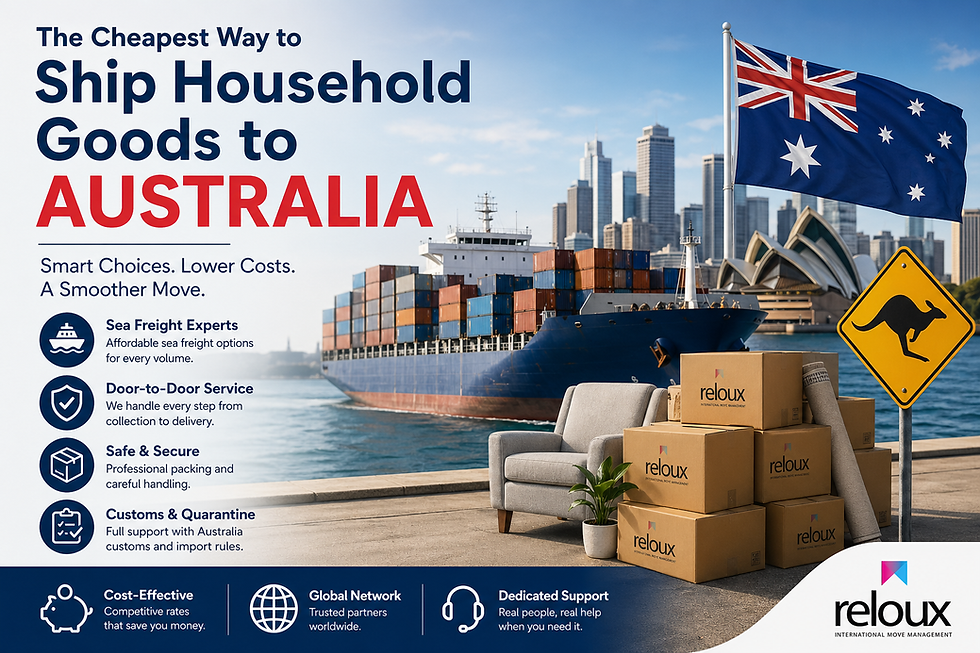
A Practical Guide to Moving to Australia From the UK

Moving to Australia from the UK is a huge life decision. For some people, it is about career opportunities and higher salaries. For others, it is about sunshine, outdoor living, family lifestyle, or simply starting fresh somewhere new. Whatever the reason, relocating from the UK to Australia is far more complex than an ordinary house move.
Australia sits on the opposite side of the world from Britain, which means your relocation involves long-distance international removals, customs clearance, quarantine regulations, visa requirements, and careful planning. Many people underestimate how much organisation is involved until they begin researching removals to Australia from the UK properly.
The good news is that thousands of British expats successfully relocate to Australia every year. With the right preparation and a reliable international removals company, the process becomes far more manageable.
This guide explains everything you need to know before moving to Australia from the UK, including shipping methods, costs, transit times, customs rules, Australian working culture, healthcare, housing, and what daily life is really like once you arrive.

Why So Many British Expats Move to Australia
Australia remains one of the most popular destinations for UK citizens relocating overseas. The shared language, strong economy, familiar legal system, and high quality of life make it attractive for families, professionals, retirees, and students alike.
Many people moving to Australia from the UK are looking for:
Better weather and outdoor living
Improved work-life balance
Higher salaries in skilled industries
More spacious housing
Safer neighbourhoods
Family-friendly cities
Long-term career opportunities
Access to beaches and nature
A slower and more relaxed lifestyle
Australia also has large British expat communities in cities such as Sydney, Melbourne, Brisbane, and Perth, which can make the transition easier during the first few months after relocating.
At the same time, Australia is not simply “Britain with sunshine.” The distance from Europe, cost of living, working culture, and day-to-day lifestyle can feel very different once you settle there.
What Life in Australia Is Really Like
One of the biggest adjustments for UK expats is the scale of Australia itself. Distances between cities are enormous compared with Europe.
For example:
Sydney to Melbourne is around a 9–10 hour drive
Perth to Sydney is over 3,000 kilometres apart
Domestic flights are common for business and holidays
Australia generally offers a more outdoor-focused lifestyle than the UK. Many people spend weekends at beaches, parks, sports clubs, or travelling around the country. Cities are often less crowded than London, although Sydney and Melbourne remain busy international cities with expensive housing markets.
The climate also varies significantly depending on where you move.
Northern Australia is tropical and humid, while southern cities such as Melbourne can have cooler winters and unpredictable weather. Perth is known for its dry heat, while Brisbane stays warm most of the year.
Understanding these regional differences is important before deciding where to settle.
The Time Difference Between the UK and Australia
One thing many people underestimate before moving is how the time difference affects communication with family and friends back home.
Depending on the city and daylight savings periods, Australia is generally between 7 and 11 hours ahead of the UK.
UK to Australia Time Difference:
Australian City | Approximate Time Difference |
Sydney | +9 to +11 hours |
Melbourne | +9 to +11 hours |
Brisbane | +9 to +10 hours |
Perth | +7 to +8 hours |
For people working remotely with UK companies, this can create scheduling challenges. Some expats end up working early mornings or late evenings to stay aligned with British office hours.

Understanding Australian Working Culture
Australia’s workplace culture is often more relaxed and less formal than the UK, although this depends heavily on industry and location.
Most full-time employees work around 38 hours per week, and there is generally strong emphasis on work-life balance. Many businesses encourage staff to take annual leave regularly, and outdoor social activities are extremely common.
Compared with Britain, Australian workplaces often feel:
Less hierarchical
More informal
More flexible socially
Earlier starting and finishing
More focused on productivity rather than long office hours
Skilled workers are particularly in demand across industries such as:
Construction
Healthcare
Engineering
Mining
IT
Skilled trades
Education
However, salaries can vary significantly between states and cities, while living costs in places like Sydney can be extremely high.
Choosing the Right Australian City
Australia offers very different lifestyles depending on where you move.
Sydney attracts many professionals because of its strong economy and international business opportunities, but it is also one of the most expensive cities in the world for housing.
Melbourne is known for culture, cafés, sport, and education, while Brisbane is popular with families seeking warmer weather and lower living costs.
Perth appeals to those wanting more space and sunshine, particularly workers connected to mining and engineering industries.
Adelaide is often considered one of the more affordable major Australian cities and attracts families looking for a quieter pace of life.
Before relocating, research:
Housing costs
School systems
Public transport
Climate
Employment opportunities
Healthcare access
Lifestyle preferences
The “best” city depends entirely on your personal priorities.
Visa Requirements for Moving to Australia
Before arranging international removals to Australia, securing the correct visa is essential.
Australia has strict immigration rules, and visa processing can take several months depending on the category.
Common visa pathways include:
Skilled worker visas
Employer-sponsored visas
Student visas
Family and partner visas
Permanent residency pathways
Because immigration rules change frequently, always check official Australian government guidance before making final relocation plans.
Many people start planning their move long before their visa is fully approved, particularly when organising shipping timelines and housing arrangements.
How Much Does It Cost to Move to Australia From the UK?
The cost of removals to Australia depends on several important factors.
These include:
Shipping method
Destination city
Packing requirements
Access conditions
Insurance cover
Customs inspections
Smaller moves using shared container shipping are usually far cheaper than relocating an entire family home in a dedicated container.
Average UK to Australia Moving Costs:
Move Size | Estimated Cost |
Small Move | £2,000–£4,500 |
Medium Household | £4,500–£8,000 |
Full Family Home | £8,000–£20,000+ |
Air freight is available for urgent items but is significantly more expensive than sea freight.
It is also important to budget for:
Visa fees
Flights
Temporary accommodation
Rental deposits
Furniture purchases
Car costs
Healthcare
Schooling
Initial living expenses
Many families underestimate how much money they will need during the first few months after arriving in Australia.

Shipping Your Household Goods to Australia
Most international removals to Australia are completed using sea freight because of the distance involved.
Sea freight is slower than air freight, but far more economical for furniture and household goods.
Typical door-to-door transit times range from 8 to 14 weeks depending on destination city, customs processing, and seasonal shipping congestion.
Smaller shipments are often transported using shared containers, while larger moves may use dedicated containers.
Shipping Options for Australia Removals
Shipping Method | Best For | Typical Transit |
Shared Container | Smaller moves | 10–14 weeks |
Sole-Use Container | Large households | 8–12 weeks |
Air Freight | Urgent essentials | 5–12 days |
Many people ship only essential furniture and buy cheaper replacement items after arrival instead of transporting everything from the UK.
Australian Customs and Biosecurity Rules
Australia has some of the strictest biosecurity regulations in the world.
The Australian authorities carefully inspect imported household goods to prevent contamination and protect local agriculture and wildlife.
This means your shipment may be inspected upon arrival.
Items that commonly trigger inspections include:
Wooden furniture
Outdoor furniture
Camping equipment
Garden tools
Sports equipment
Bicycles
Shoes with soil residue
Food products, seeds, plants, and animal products are heavily restricted or prohibited entirely.
If items are dirty or contaminated, they may require cleaning, fumigation, quarantine treatment, or destruction.
Because of these regulations, professional export packing is strongly recommended for removals to Australia.
Should You Pack Yourself?
Although some people choose owner-packed shipping to reduce costs, self-packed shipments can sometimes create additional customs complications.
Professional international packing helps:
Protect fragile items
Reduce handling damage
Improve customs compliance
Support insurance claims
Speed up quarantine inspections
Experienced international movers also understand how to prepare inventories correctly for Australian customs.
Finding a Reliable International Removals Company
Choosing the right removals company is one of the most important parts of your relocation.
A professional international mover should provide:
Transparent quotations
Export packing services
Customs documentation support
Shipping coordination
Door-to-door delivery
Storage solutions
Insurance options
Be cautious with unusually cheap quotes, especially if destination charges or customs costs are unclear.
Some low-cost operators provide unrealistic estimates that later increase once shipments arrive in Australia.
Housing Costs and Renting in Australia
Housing costs in Australia vary dramatically depending on city and location.
Sydney is generally the most expensive city, particularly close to beaches and central business districts.
Brisbane, Adelaide, and Perth are often more affordable for families.
Many expats initially rent before deciding where to buy property long term.
Rental applications in Australia can move quickly, and landlords often require:
Proof of income
Employment details
Identification
Rental history
Deposit payments
Temporary accommodation for the first few weeks after arrival is often a smart idea.
Healthcare and Medicare
Australia’s healthcare system is generally considered excellent.
British citizens may benefit temporarily from reciprocal healthcare agreements, but long-term residents usually need to register for Medicare or arrange private health insurance depending on visa status.
Private healthcare is common in Australia and may provide faster access to certain treatments.
Healthcare costs can be high without proper coverage, so arranging insurance early is important.
Schools and Education in Australia
Australia is extremely popular with relocating families because of its education system and outdoor lifestyle.
There are three main school categories:
Public schools
Catholic schools
Independent private schools
Catchment areas can affect public school availability, particularly in high-demand suburbs.
Many British families research schools before deciding which city or suburb to live in.
Australia is also home to internationally respected universities, particularly in Sydney, Melbourne, Brisbane, and Canberra.

Pet Relocation to Australia
Moving pets to Australia is possible, but the process is strict and highly regulated.
Pet relocation usually involves:
Vaccinations
Blood testing
Import permits
Approved travel arrangements
Veterinary documentation
Quarantine procedures
Because preparation can take several months, pet relocation should be organised early in the moving process.
Nearby Countries and Travel Opportunities
One advantage of living in Australia is easier access to destinations across Asia and the Pacific.
Popular nearby travel destinations include:
Bali
Fiji
Vietnam
Many British expats take advantage of Australia’s location to travel more frequently throughout Asia-Pacific regions.
However, Europe is much further away than many people initially expect emotionally and financially.
Returning to the UK for family visits can be expensive and time-consuming.
The Emotional Side of Relocating to Australia
Even exciting international moves can feel emotionally difficult at times.
Many expats experience:
Homesickness
Culture adjustment
Loneliness initially
Stress from paperwork and finances
Difficulty rebuilding social networks
This is completely normal.
Most people settle gradually over the first 6–18 months as they establish routines, friendships, and familiarity with their new surroundings.
Joining community groups, sports clubs, or local events can help significantly during this transition period.
Practical Tips Before Moving to Australia
Before relocating, it helps to create a detailed moving checklist and timeline.
Key things to organise include:
Visa approvals
Travel insurance
Banking arrangements
Accommodation
School applications
Healthcare registration
Utilities and address changes
Customs documentation
Starting preparations several months early usually makes the process far smoother.

Final Thoughts on Moving to Australia From the UK
Moving to Australia from the UK is a major life change, but for many people it becomes one of the best decisions they ever make.
Australia offers strong career opportunities, outdoor living, excellent healthcare, family-friendly cities, and a high quality of life. At the same time, relocating there requires careful planning, realistic budgeting, and a solid understanding of international shipping and customs procedures.
From choosing the right visa and arranging removals to adapting to Australian culture and managing the emotional side of relocation, every stage benefits from proper preparation.
Working with experienced international movers can make a significant difference, particularly when dealing with export packing, quarantine regulations, shipping schedules, and customs clearance.
Whether you are relocating for work, lifestyle, family, or a completely fresh start, understanding the realities of moving to Australia before you leave the UK will help you settle more confidently and avoid unnecessary stress later.
FAQ – Moving to Australia From the UK
How long does it take to move to Australia from the UK?
Most sea freight removals to Australia take approximately 8–14 weeks door-to-door depending on the destination city, shipping schedules, customs clearance, and quarantine inspections. Air freight usually takes around 5–12 days.
How much does it cost to move to Australia from the UK?
Costs vary depending on shipment size, shipping method, destination, packing services, and storage requirements. Smaller moves may start around £2,000–£4,500, while large family relocations can exceed £15,000–£20,000+.
Is Australia more expensive than the UK?
This depends on location and lifestyle. Housing in cities like Sydney can be extremely expensive, but salaries are often higher in Australia. Some everyday expenses may feel cheaper, while others such as rent and dining out can cost more.
Can I move my furniture to Australia?
Yes. Most household furniture can be shipped to Australia using sea freight. However, Australian biosecurity inspections are strict, particularly for wooden furniture and outdoor items.
Do I need professional packing for removals to Australia?
Professional export packing is strongly recommended because it helps protect items during long-distance shipping and improves customs compliance during Australian quarantine inspections.
What items are prohibited when moving to Australia?
Restricted or prohibited items include certain food products, plants, seeds, soil-contaminated equipment, animal products, and hazardous goods. Australian customs rules are extremely strict.
What is the best city in Australia for British expats?
Sydney, Melbourne, Brisbane, Perth, and Adelaide are all popular with UK expats. The best city depends on your career goals, budget, climate preferences, and lifestyle priorities.
Can I bring pets to Australia from the UK?
Yes, but pet relocation involves vaccinations, import permits, veterinary checks, and quarantine procedures. Preparation can take several months.
Is healthcare free in Australia?
Australia has a public healthcare system called Medicare. Some UK citizens may access temporary reciprocal healthcare arrangements, but long-term residents often require Medicare registration or private health insurance.
Is moving to Australia worth it?
For many people, yes. Australia offers excellent weather, career opportunities, healthcare, education, and outdoor lifestyles. However, the distance from family and high living costs in some cities should also be considered carefully.
Useful Official Resources
Australian Border Force (Customs & Import Rules)
Start Planning Your Move to Australia With Confidence
Moving to Australia from the UK can feel overwhelming at first, especially when dealing with visas, shipping timelines, customs regulations, and settling into a completely new country. But with proper planning and experienced international movers, the process becomes far more manageable.
Whether you are relocating a small shipment, a full family home, or simply exploring your options, obtaining professional advice early can help you avoid delays, unexpected charges, and unnecessary stress later in the process.
Reloux® International Moving Company provides fully managed international removals to Australia from the UK, including export packing, shipping coordination, customs guidance, secure storage solutions, and door-to-door delivery support.
If you are considering moving to Australia from the UK, requesting an early survey and tailored quotation is one of the best ways to understand realistic costs, transit times, and the most suitable shipping options for your relocation.