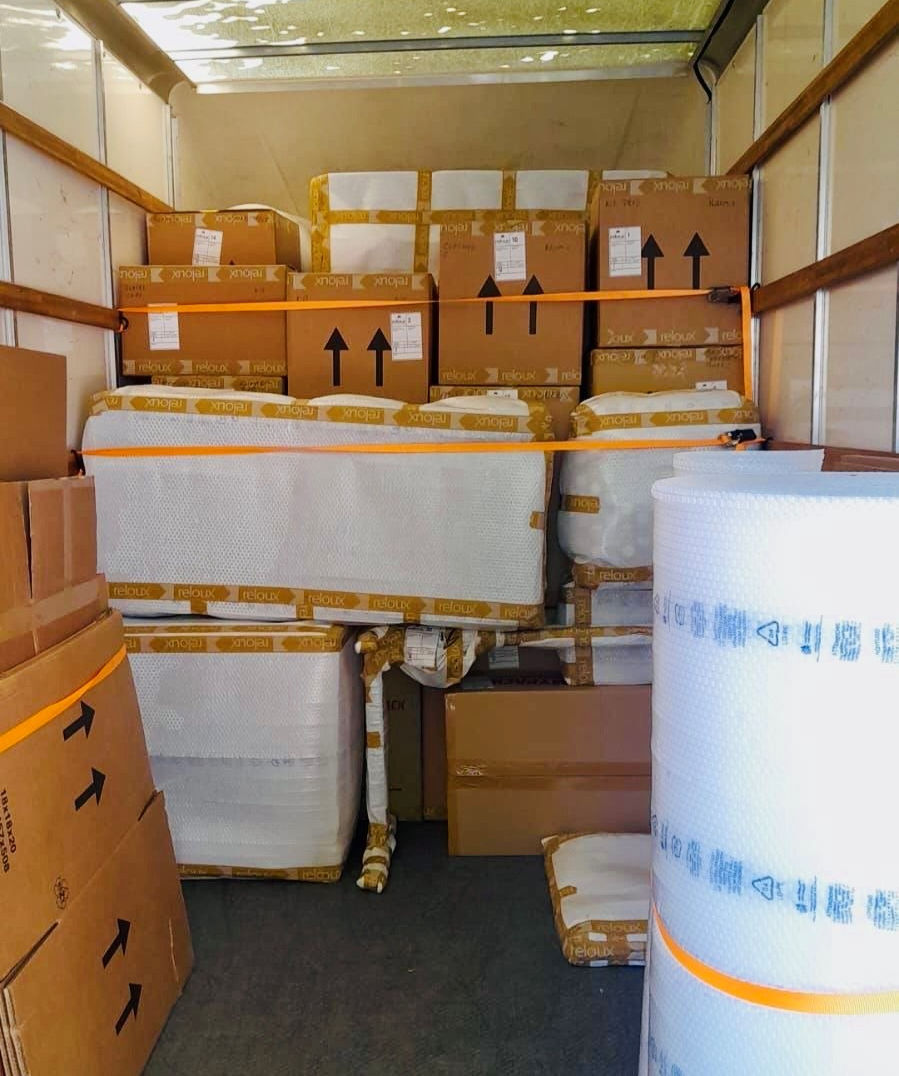
Cost of Removals to New Zealand from the UK: Shipping Guide

Moving to New Zealand from the UK is one of the most complex international relocations due to the combination of long-distance shipping, strict customs regulations, and detailed biosecurity controls.
Unlike moves within Europe or even to North America, removals to New Zealand require a structured and well-managed process. Every shipment must comply with strict import standards designed to protect the country’s environment and agricultural system.
Understanding the cost of removals to New Zealand from the UK is essential, but cost alone does not determine the success of your move. The way your goods are packed, declared, inspected, and cleared plays a critical role in avoiding delays and additional charges.
Reloux provides a fully managed door-to-door international removals service. This includes professional export packing, global shipping, customs coordination, and delivery into your residence in New Zealand. Each move is planned to meet New Zealand’s strict import requirements and minimise risk.

Cost of removals to New Zealand from the UK
The cost of removals to New Zealand from the UK typically ranges between £5,000 and £20,000 or more depending on the size of the move and the services required.
General cost guide:
Small move (shared container space): £1,000 to £3,000
Medium move (20ft container): £4,800 to £6,500
Large move (40ft container): £8,000 to £10,000+
These figures are indicative only. The final cost is influenced by several factors.
Volume is the primary pricing factor. International shipping is calculated based on cubic metres or cubic feet, and even small increases in volume can significantly impact pricing.
Packing requirements also affect cost. New Zealand requires high-standard export packing, especially due to biosecurity inspections.
Access conditions at both origin and destination can increase cost if additional handling is required, such as long carry distances or restricted access.
Distance from port to final residence in New Zealand also affects delivery cost.
Customs inspections and biosecurity treatments may introduce additional charges if goods require cleaning or further handling.
Shipping options to New Zealand from the UK
Choosing the correct shipping method is one of the most important decisions in your move.
Comparison of shipping methods
Shipping Method | Best For | Cost Level | Transit Time | Key Advantages | Limitations |
Groupage (Shared Container) | Small moves | Lowest | 10–16 weeks | Cost-effective, flexible | Longer transit, shared space |
Full Container Load (FCL) | Full households | Medium to high | 8–10 weeks | Faster, secure, private container | Higher cost if not fully used |
Air Freight | Essential items only | Highest | 7–14 days | Fastest delivery | Very expensive, limited volume |
Groupage is suitable for smaller moves where cost is the priority.
However, because your shipment is combined with others, transit times are longer.
Full container load is the preferred option for larger household moves. It offers more control and reduces the risk of delays caused by consolidation.
Air freight is typically used for urgent or essential items and is not suitable for full household relocations due to cost.
Household goods shipping to New Zealand
Shipping household goods to New Zealand involves more control and inspection than most other destinations.
According to the IAM customs guide, all shipments must be unloaded at an approved transitional facility before final delivery.
This means containers are not delivered directly to residential properties. Instead, they are taken to a controlled facility where inspection and clearance take place.
This process introduces an additional handling stage, which must be factored into both cost and timeline.
All shipments must include a detailed inventory and supporting documentation. Each item must be declared accurately to avoid inspection delays.
Reloux prepares shipments with detailed inventories and structured packing to ensure compliance.

Transit times from the UK to New Zealand
Transit times are longer compared to most international routes due to distance and inspection procedures.
Typical timelines:
Full container: 8 to 10 weeks
Groupage: 10 to 16 weeks
Air freight: 7 to 14 days
Transit times are influenced by shipping schedules, port operations, customs clearance, and final delivery logistics.
Customs clearance does not have a fixed timeframe and may vary depending on inspection requirements.
New Zealand customs clearance process
Customs clearance in New Zealand is a structured and document-heavy process.
Documentation includes:
Personal effects supplementary declaration
Detailed inventory of goods
Unaccompanied personal baggage declaration
Passport and visa documentation
Proof of residency status
These documents must be completed accurately and submitted in advance.
Any discrepancies in documentation can result in delays, inspections, or additional charges.
Duty-free eligibility for household goods
Many shipments qualify for duty-free import, but strict conditions apply.
To qualify, you must:
Hold a valid residence or long-term visa
Have lived outside New Zealand for at least 21 months
Have owned and used the goods prior to shipment
Import goods for personal use only
If these conditions are not met, duties or taxes may apply.
If goods arrive more than five years after relocation, additional approval may be required.
Biosecurity and MPI inspection rules
New Zealand enforces strict biosecurity controls through the Ministry for Primary Industries.
This is one of the most important aspects of removals to New Zealand.
All goods are assessed for contamination risks such as soil, plant material, or insects.
Items most commonly inspected include outdoor furniture, tools, bicycles, and sports equipment.
If contamination is found, items may require cleaning or fumigation, which can lead to delays and additional costs.
Wood packaging must comply with ISPM 15 standards. Non-compliant packaging may be destroyed or re-exported.

Restricted and prohibited items
New Zealand has strict rules regarding restricted goods.
Restricted items include food products, plants, and certain animal materials.
Prohibited items include controlled substances, certain weapons, and undeclared biosecurity risk goods.
Tobacco products require permits and are heavily regulated.
Failure to declare restricted items can result in fines, delays, or confiscation.
Pet relocation to New Zealand
Pet relocation is a regulated process with strict entry requirements.
These include import permits, health certification, vaccination records, and quarantine procedures.
Certain breeds may be restricted or prohibited. Pets may also be subject to quarantine on arrival depending on compliance with regulations.
Planning pet relocation alongside your household move is essential to ensure timelines align.
Importing vehicles and special items
Vehicles can be imported under certain conditions.
Duty-free import may be available if ownership and residency requirements are met.
Vehicles must comply with New Zealand safety standards and may require inspection and certification.
GST may apply if conditions are not met.
Special items such as antiques, artwork, or pianos may require additional documentation or permits.
Why people move to New Zealand
New Zealand attracts many UK residents due to its quality of life, safety, and environment.
The country offers a stable economy, strong public services, and a lower population density.
Lifestyle benefits, including outdoor living and work-life balance, make it a popular destination.
Job market and economy in 2026
New Zealand continues to show demand in key sectors such as construction, healthcare, engineering, and information technology.
GDP is estimated between 260 and 300 billion USD equivalent in 2026.
Skilled professionals are in demand, particularly in industries facing labour shortages.
Storage in transit options
Storage in transit is often required when moving to New Zealand.
This can be arranged in the UK or at destination depending on your situation.
Storage allows flexibility if your property is not ready for delivery.
How Reloux supports your move
Reloux manages the entire international relocation process.
Services include survey, volume calculation, export packing, shipping coordination, customs support, and final delivery.
Each shipment is prepared in line with New Zealand import requirements to reduce risks and delays.

Who This Guide Is For
This guide on removals to New Zealand from the UK is designed for individuals and families who are actively planning an international move and need clear, practical information on costs, shipping, and customs requirements.
It is particularly useful for UK residents relocating to New Zealand for work, lifestyle, or long-term settlement, as well as expats returning or moving their household goods overseas.
This guide is also relevant for those who are:
Planning to ship furniture and personal belongings to New Zealand
Comparing international removals companies and service options
Looking to understand New Zealand customs clearance and MPI biosecurity rules
Trying to estimate the cost of moving based on volume and shipping method
Concerned about delays, inspections, or restricted items
If you are at the early research stage or ready to request a quote, this guide provides a clear overview of what to expect and how to prepare for a successful move.
Final planning considerations
Planning early is essential for removals to New Zealand.
Delays are most commonly caused by incomplete documentation, packing issues, or biosecurity inspection requirements.
Working with experienced international movers ensures that these risks are managed effectively.
FAQs – Removals to New Zealand from the UK
How much does it cost to move to New Zealand from the UK?
The cost of removals to New Zealand from the UK typically ranges between £5,000 and £20,000 depending on the volume of goods, shipping method, and level of service required. Smaller moves using shared container space can cost from around £1,000, while full household moves using a 20ft or 40ft container will be significantly higher. The most accurate way to determine cost is through a volume survey.
How long do removals to New Zealand from the UK take?
Transit time for removals to New Zealand from the UK usually ranges between 8 and 16 weeks. Full container shipments are generally faster, taking around 8 to 10 weeks, while groupage (shared container) services can take 10 to 16 weeks due to consolidation. Air freight is faster at 7 to 14 days but is only used for smaller or urgent shipments.
What is the cheapest way to move to New Zealand from the UK?
The most cost-effective way to move to New Zealand is by using a groupage shipping service, where your goods share container space with other shipments. This reduces cost but increases transit time. It is ideal for smaller moves where speed is not the main priority.
Do I have to pay customs duty when moving to New Zealand?
You may qualify for duty-free import of your household goods if you meet certain conditions. These include holding a valid residence visa, having lived outside New Zealand for at least 21 months, and having owned and used your goods before shipping. If these conditions are not met, duties or GST may apply.
Why is New Zealand customs clearance so strict?
New Zealand enforces strict customs and biosecurity controls to protect its natural environment and agriculture. All incoming shipments are inspected for contamination such as soil, plant material, or insects. Even used household items can be inspected, and additional cleaning or fumigation may be required if risks are identified.
What items are not allowed when shipping to New Zealand?
Restricted or prohibited items include food, plants, soil-contaminated goods, certain animal products, and hazardous materials. Outdoor items such as bikes or garden tools must be thoroughly cleaned before shipping. Failure to declare restricted items can result in delays, fines, or confiscation.
Can I ship furniture and household goods to New Zealand?
Yes, you can ship furniture and household goods to New Zealand, and most items qualify for duty-free import if eligibility criteria are met. However, all goods must be properly declared, professionally packed, and clean to meet biosecurity requirements.
Can I pack my own boxes for a move to New Zealand?
Owner-packed boxes are not recommended for removals to New Zealand. Shipments that are not professionally packed are more likely to be inspected by customs, which can lead to delays and additional charges. Professional export packing ensures compliance with regulations and reduces risk.
Can I ship my car to New Zealand from the UK?
Yes, vehicles can be shipped to New Zealand, but strict rules apply. The vehicle must meet ownership and usage requirements and comply with New Zealand safety and environmental standards. Additional inspections and taxes may apply depending on your eligibility.
Do removals companies handle customs clearance in New Zealand?
Yes, experienced international removals companies like Reloux manage customs clearance as part of a door-to-door service. This includes preparing documentation, coordinating with destination agents, and ensuring compliance with New Zealand import regulations.

Get Your Removals to New Zealand Quote
Planning removals to New Zealand from the UK requires accurate cost planning, correct documentation, and proper packing preparation.
Reloux provides a fully managed international removals service, including export packing, shipping, customs clearance, and delivery.
Book a free video or in-person survey to receive a tailored quote based on your exact volume and requirements.
Start your move with a clear plan and expert guidance to avoid delays, reduce costs, and ensure a smooth relocation to New Zealand.